Sydney · 4 March 2027 · ICC Sydney
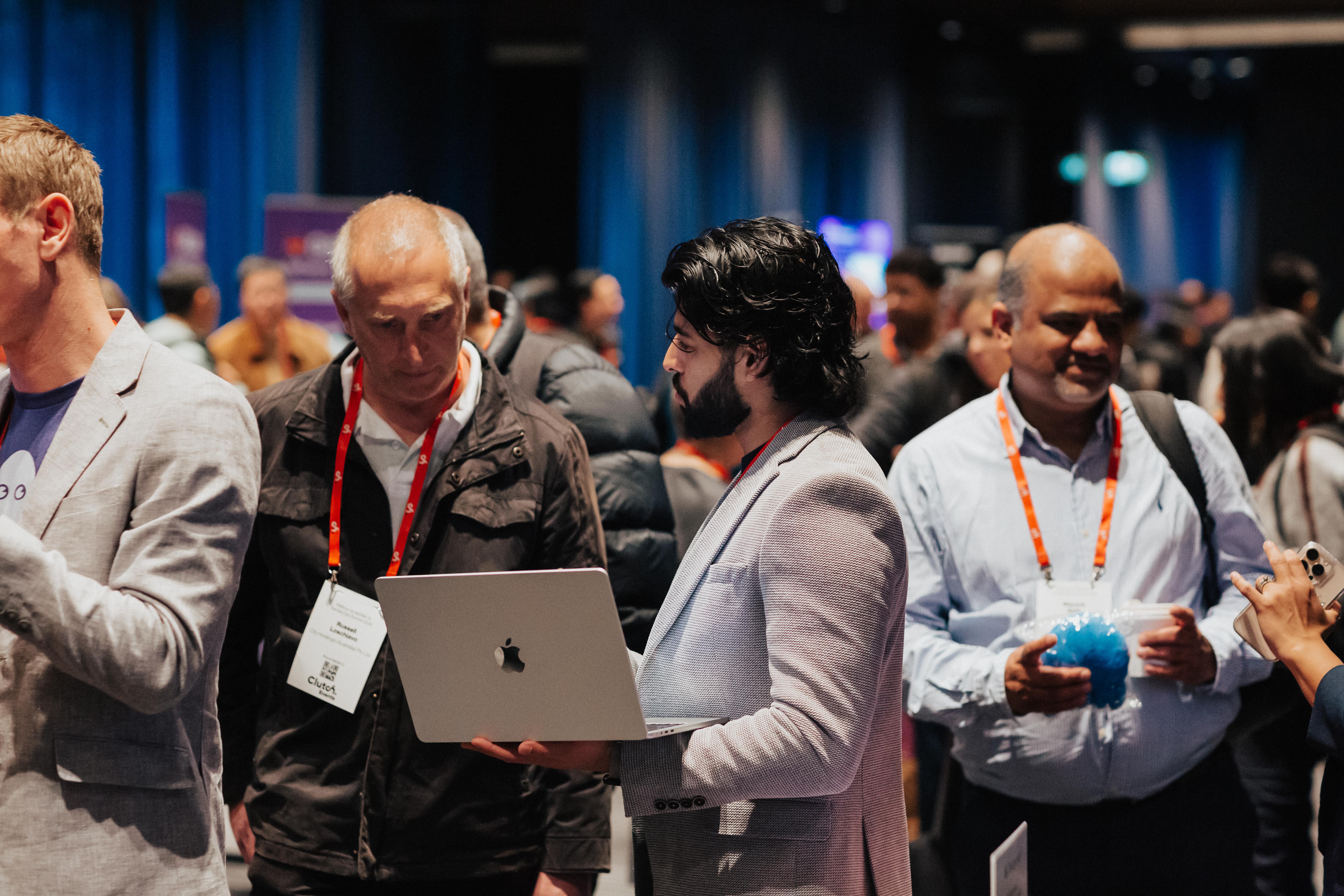
Short, sharp and interactive: keynotes and case studies from leaders who have done the work, live panels you vote in, peer roundtables on the problems you name, and two hours of structured networking by design.
Speakers are announced on a rolling basis. Sign up for updates to hear each announcement first.








All times AEDT. Sessions are announced and updated on a rolling basis.
Beat the rush and join us early for complimentary barista-made coffee and breakfast.
Kick off the day with a welcome from your MC and a look at what's ahead.
As customers increasingly ask AI assistants to research, compare and even buy on their behalf, the website and app are no longer guaranteed to be the first point of contact. This keynote examines what it takes to stay discoverable and transactable when the "visitor" may be a machine.
As AI-generated answers and AI Overviews increasingly intercept the customer's search journey before a brand's own website is ever clicked, this opening keynote confronts the fundamental shift underway in how marketing teams need to think about discoverability, and what marketing technology needs to look like when the search engine is no longer the primary audience.
Why Proactive Customer Experience Is the Next Competitive Line
For years, good customer experience meant responding well once something went wrong. The next competitive line is different: knowing before the customer does that something needs attention, and acting on it without waiting to be asked. This keynote outlines the case for proactive customer experience by using data and insights not just to personalise interactions, but to find and resolve problems customers haven't yet raised.
Despite years of investment in digital, marketing, and customer experience technology, many leaders still struggle to demonstrate commercial impact in terms that unlock sustained budget and executive confidence.
Despite years of calls for marketing technology consolidation, most stacks continue to grow rather than simplify. This keynote examines the structural and organisational forces driving continued sprawl, and what it actually takes to reverse the trend rather than just talk about it.
As AI-powered service, personalisation, and self-service become table stakes rather than differentiators, this keynote examines where genuine customer experience advantage still exists once the technology itself is no longer a competitive edge.
AI is changing what digital experiences can do, and AI agents are starting to search, compare and act on customers’ behalf. But more automation doesn’t automatically make an experience better. This panel explores how digital leaders are designing experiences that stay simple, useful and human, whether a customer arrives directly or through an AI agent.
With AI reshaping every layer of marketing technology, the stack that got teams here won't be the one that takes them forward. This panel brings together marketing and technology leaders to map out what the modern martech stack really looks like, and how to get there.
AI agents are no longer just answering questions. They're creating cases, updating customer records, changing bookings, routing work and taking actions that once required a human. As agents become more capable, the challenge for customer leaders is deciding where to draw the line between automation and human control.
This panel will explore how organisations are deciding what agents can do independently, when a human needs to step in, and what needs to be in place before giving an agent more freedom to act.
After years of chatbots that frustrated more customers than they helped, one digital leader launched an AI assistant that now resolves a meaningful share of enquiries on its own and earns better satisfaction scores than the channels it replaced.
Facing a dramatic drop in organic traffic as AI-generated search answers began satisfying customer queries before they reached the company's website, one marketing leader rebuilt their content and technical SEO strategy specifically to improve visibility within AI-generated answers rather than chasing traditional rankings alone.
After noticing customer satisfaction dropping despite successful AI service deployment, one CX leader discovered the problem wasn't the AI itself but broken handoffs to human agents, and rebuilt the transition to preserve context and eliminate repetition.
Recharge with refreshments and structured networking with your peers.
A hands-on, interactive session working through a real digital experience scenario as a room. Details announced soon.
A hands-on, interactive session working through a real marketing technology scenario as a room. Details announced soon.
A hands-on, interactive session working through a real customer experience scenario as a room. Details announced soon.
With customers abandoning the site after failed searches, one digital team replaced traditional keyword search with a conversational AI experience that understands intent and guides visitors to the right product or answer.
As retail media budgets grow, marketers are increasingly questioning results reported by the networks selling the ads. One marketing leader built an independent approach to uncover what that spend was really delivering.
After customer research revealed growing discomfort with how data-driven personalisation felt, one digital experience leader redesigned data transparency and consent experiences to build trust directly into the product, moving well beyond minimum legal requirements.
Rapid grocery delivery is one of the hardest models in retail to make pay. One digital leader shares how their team built a fast, convenient online grocery experience customers love, while keeping a close eye on the economics behind every order.
Moving beyond AI experiments, one marketing team handed parts of real campaign execution to AI agents, from audience building to ongoing optimisation, and measured what changed.
After discovering frontline staff were routinely working around a newly deployed AI-assisted service platform rather than using it, one operations leader rebuilt the tool around actual frontline workflows, turning adoption resistance into genuine usage and measurable customer experience improvement.
When AI can spin up new pages, features and journeys in hours rather than months, the bottleneck shifts from building to knowing what works. This panel explores how digital teams are rethinking experimentation and measurement to keep pace.
With cookies fading, privacy rules tightening and AI hungry for quality inputs, the marketing teams that win will be the ones with the strongest data foundations. This panel explores how leaders are building first-party data capability that powers both smarter marketing and more credible measurement.
CX leaders are being asked to do two things at once: reduce the cost of serving customers and prove that investing in better experiences delivers real business value. The two goals can appear at odds, particularly as organisations look to AI, automation and self-service to unlock savings while expecting CX teams to demonstrate a stronger return on every dollar invested.
This panel explores where cost reduction genuinely improves the customer experience, where it creates hidden costs further down the line, and how leaders are building a business case that stands up beyond satisfaction scores.
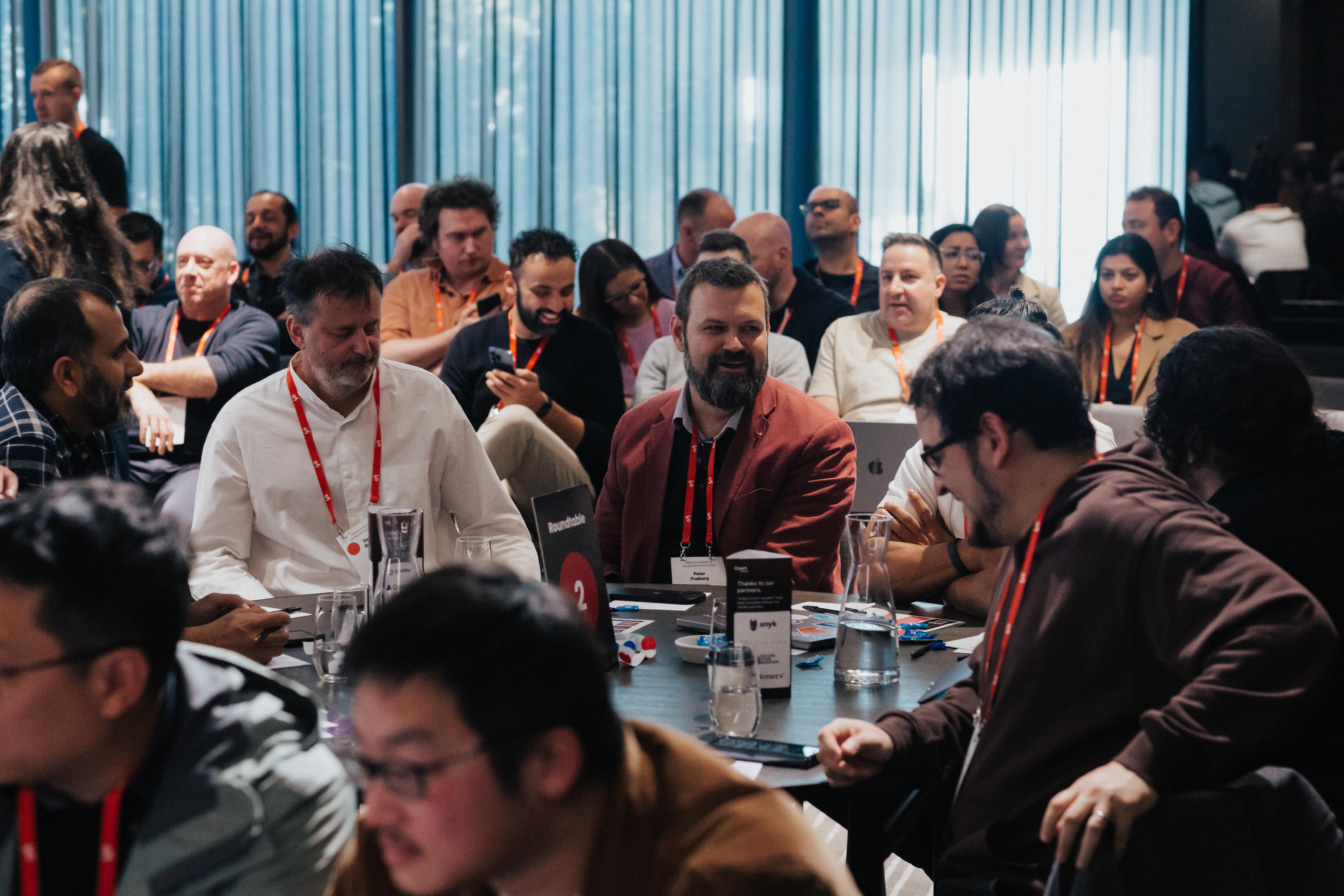
Small-group, discussion-based sessions where you'll work through real customer technology challenges with peers in similar roles. Roundtable topics announced soon.
Enjoy a complimentary lunch while connecting with fellow attendees.
Put your knowledge to the test in this fast-paced quiz covering real-world trivia, key concepts and emerging trends. Compete for bragging rights, and a travel voucher, as the top scorer takes the crown.
Rather than running scattered AI experiments, one digital leader embedded AI into the team's everyday design, content and optimisation work, lifting output without adding headcount.
As AI made it possible to target and personalise with far more customer data than before, one marketing leader rebuilt consent and data practices so the team could keep using AI confidently as privacy rules tightened.
By the time most Voice of Customer feedback arrives, the moment that mattered has already passed. The customer has left, the interaction is closed and the team is left measuring what went wrong rather than having the chance to fix it.
One organisation took a different approach, redesigning its VoC program to surface signals while the customer relationship was still live. Post-interaction surveys remained for benchmarking, but real-time feedback was layered into live interactions and connected with social and direct messaging signals, giving frontline teams an opportunity to intervene before frustration became churn.
This session will unpack how that shift worked in practice and what it took to turn customer feedback from a measurement tool into an intervention mechanism.
AI is making it possible for interfaces to reshape themselves around each user, changing layouts, content and journeys on the fly. This keynote explores what happens to digital design when the experience is no longer fixed, and how teams keep it usable, on-brand and accessible.
AI agents that plan, launch and optimise campaigns with minimal human input are moving into practice. This keynote explores how agentic AI is reshaping marketing, and what leaders need to use it effectively.
Digital-first has become the default customer strategy, but what happens when there is no meaningful alternative? For many Australians, moving services online can turn convenience into exclusion. People with disability, older Australians, First Nations communities and people in regional and remote areas continue to experience higher levels of digital exclusion, with affordability, skills and confidence still significant barriers.
At the same time, touchscreens, self-service and AI-powered support are becoming the standard interface for everything from banking and retail to transport and essential services. For customers with low vision, limited dexterity or cognitive accessibility needs, these journeys can be difficult or impossible to navigate.
This keynote looks at what organisations risk when digital-first becomes digital-only, and what it takes to build customer journeys that are accessible by design, while still delivering the efficiency and convenience businesses expect from digital transformation.
In this interactive closing session, the room designs the digital experience stack of the future together. Attendees pitch, debate and vote in real time on which capabilities make the cut, and the results reveal where the industry thinks digital is really heading.
As AI-assisted content production scales rapidly across marketing teams, this think tank looks at the governance question many organisations have avoided: who is actually accountable for quality, brand consistency, and risk when content is produced faster than traditional review processes can keep pace with.
With points-based loyalty programs facing growing scepticism amid changing consumer expectations and tighter marketing budgets, this discussion examines whether traditional loyalty mechanics still drive genuine behaviour change or have simply become an expected cost of doing business.
Wrap-up of the day's key takeaways, and your chance to win some epic prizes.
Unwind with your peers for a couple of drinks on us!
See you at CustomerTech World Melbourne on 18 March 2027.
Leaders who have shared their work at previous CustomerTech World events.

























Customer journey orchestration explained: how it differs from marketing automation, the data it needs, who should own it and how to measure it.
Which customer experience metrics prove CX ROI? How NPS, CSAT and CES differ, how to link them to revenue, and the dashboard a CX leader needs.